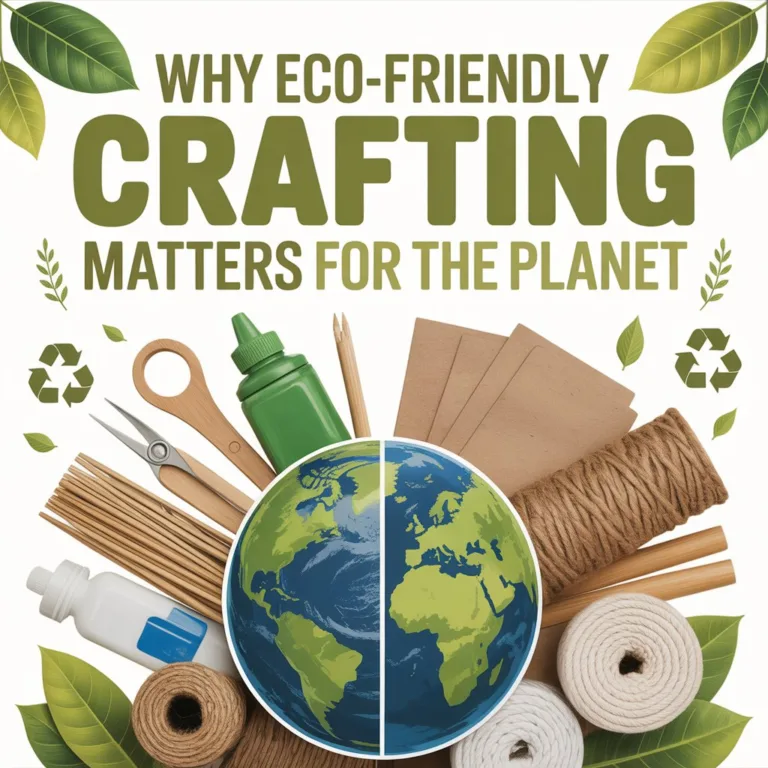

In recent years, the toy industry has undergone a quiet but powerful revolution. More consumers are aware of the environmental consequences of traditional plastic toys — from fossil fuel use to the accumulation of microplastics in oceans. As a result, sustainable toy production is no longer a niche movement but a global shift redefining how toys are designed, made, and used.
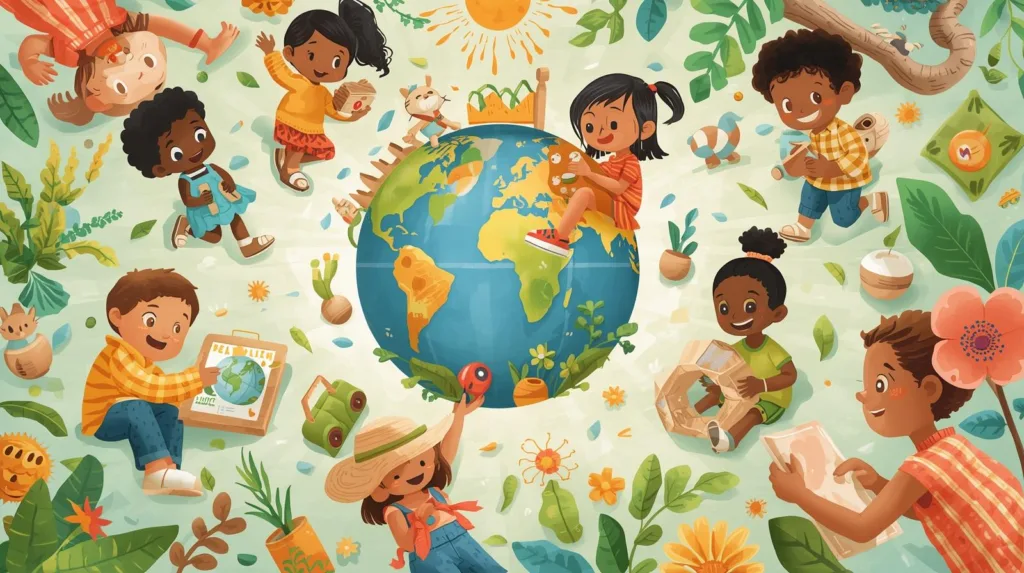
Sustainable toy production focuses on minimizing environmental impact at every stage — from material sourcing and manufacturing to packaging and end-of-life recycling. The goal is to create toys that not only inspire creativity and learning but also respect the planet’s natural resources.
Countries across Europe, Asia, and the Americas are embracing eco-friendly toy manufacturing. Many brands are replacing petroleum-based plastics with renewable materials like bamboo, organic cotton, and recycled wood pulp. These efforts represent more than just a trend; they’re part of a worldwide commitment to circular design and responsible consumption.
From Plastic to Planet-Friendly Materials
For decades, most toys were made from cheap, colorful plastics that could withstand rough play and long shipping times. However, the environmental toll was enormous. Manufacturing plastic toys requires large amounts of oil, water, and energy. Many end up in landfills or incinerators, taking centuries to decompose.
Sustainable toy makers have been challenging this norm by experimenting with innovative materials:
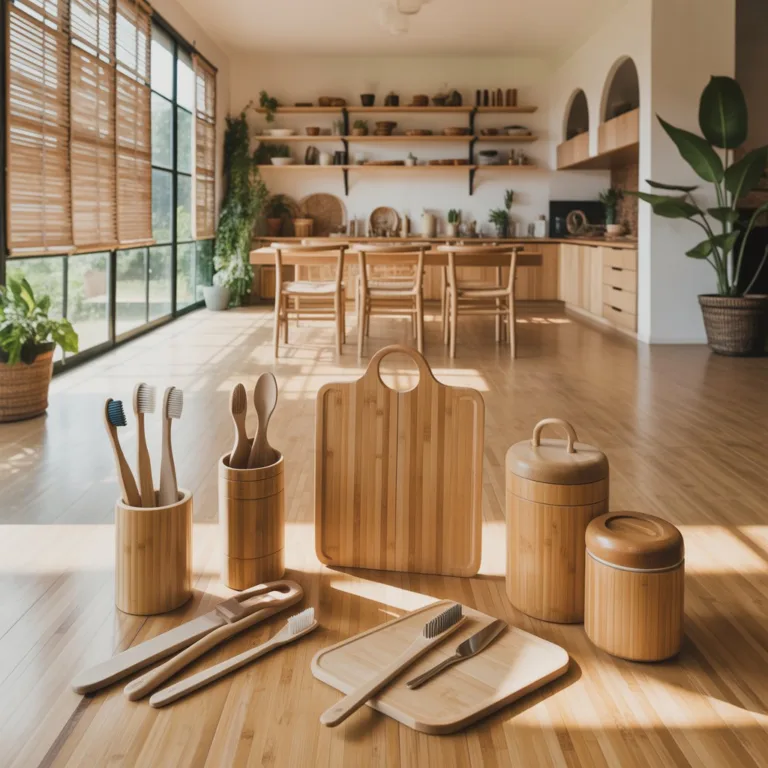
- Bamboo and wood: Renewable, biodegradable, and durable. Many artisans craft puzzles, stacking toys, and instruments from sustainably harvested wood.
- Organic fabrics: Cotton, hemp, and wool offer a soft and non-toxic alternative for plush toys and dolls.
- Recycled plastics: While not fully biodegradable, they significantly reduce waste and energy consumption compared to virgin plastics.
- Natural dyes and paints: Derived from plants or minerals, these replace synthetic coatings and eliminate harmful chemicals.
These changes not only benefit the environment but also make toys safer for children, reducing exposure to toxic substances commonly found in plastic production.
Circular Economy in the Toy Industry
A true hallmark of sustainable toy production is its alignment with the circular economy. Instead of following a linear “make-use-discard” model, toy companies are increasingly designing products that can be reused, repaired, or recycled.
Some examples of circular approaches include:
- Modular toys: Designed so that parts can be replaced or recombined, extending their lifespan.
- Take-back programs: Brands collect old toys and recycle materials into new products.
- Minimalist packaging: Using recycled cardboard or compostable wraps instead of plastic blister packs.
This approach reduces the demand for new raw materials and cuts down on pollution from both manufacturing and disposal.
Economic and Social Impacts of Sustainability
Sustainable toy production has ripple effects that extend far beyond the factory floor. On a global scale, it promotes ethical labor, local craftsmanship, and responsible consumerism.
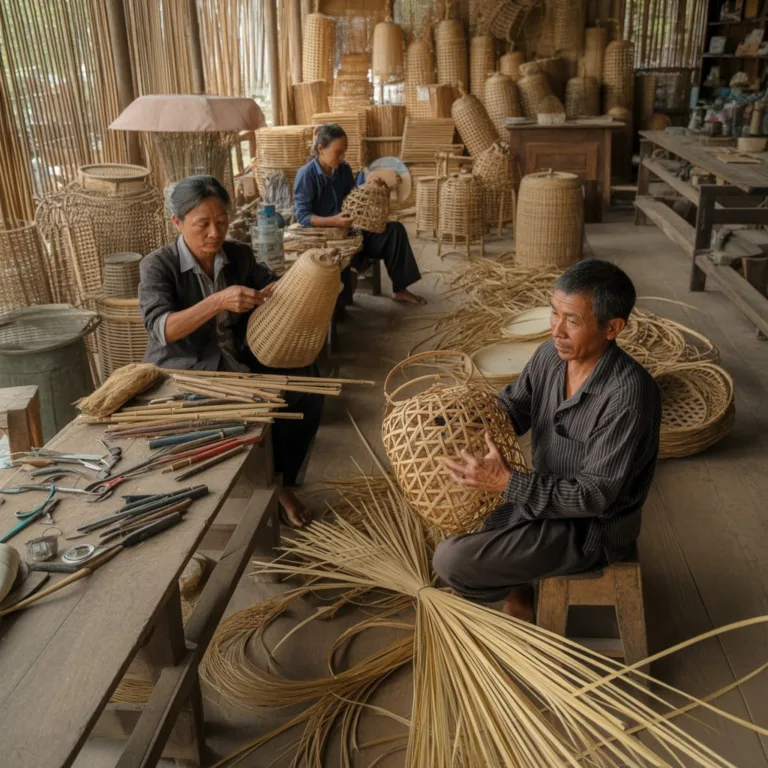
- Empowering local communities: Many eco-toy brands partner with small workshops in rural or developing areas, providing stable jobs and preserving traditional skills.
- Supporting education: A growing number of sustainable toy makers integrate educational themes — like environmental awareness and STEM learning — into their products.
- Driving innovation: Green design challenges manufacturers to experiment with new materials and production techniques that can inspire other industries.
The shift also aligns with major global goals such as the United Nations Sustainable Development Goals (SDGs), which encourage responsible production, reduced inequality, and climate action.
The Role of Parents and Educators
Parents, caregivers, and educators play a crucial role in shaping the future of toy consumption. By choosing sustainable options, they send a clear message to manufacturers: environmental responsibility matters.
Educational institutions have also begun incorporating eco-friendly toys into classrooms, especially in early childhood programs. These toys not only stimulate creativity and problem-solving but also teach children about sustainability through hands-on experience.
Simple activities — such as recycling toy packaging, repairing broken items, or creating DIY playthings from household materials — can instill lifelong values of care, conservation, and creativity.
Technology and Sustainability Working Together
Technology, often seen as part of the problem, is becoming a powerful ally in sustainable toy production. 3D printing with biodegradable filaments allows for customized, waste-free designs. Artificial intelligence is helping companies optimize resource use and reduce energy costs in manufacturing.
Digital play is also reducing the demand for physical toys, though it raises new sustainability questions about electronic waste and energy consumption. The ideal balance may lie in hybrid play experiences — combining physical and digital elements while maintaining a low carbon footprint.
Challenges and Future Prospects
Despite its rapid growth, sustainable toy production faces several challenges:
- Higher production costs: Eco-materials and ethical labor practices often increase prices, limiting accessibility.
- Consumer awareness: Many shoppers are still unaware of the long-term benefits of sustainable toys.
- Supply chain complexity: Sourcing renewable materials consistently and responsibly remains a global challenge.
However, innovation continues to push boundaries. Researchers are developing new biodegradable materials that mimic the flexibility of plastic but decompose safely. As awareness grows, economies of scale will help bring costs down, making eco-toys the standard rather than the exception.
Inspiring the Next Generation
At its heart, the movement toward sustainable toy production is about inspiring the next generation — not just to play, but to imagine a better world. Every toy built with respect for nature teaches children an invisible lesson about balance, empathy, and stewardship.
When children grow up surrounded by eco-friendly toys, they begin to see sustainability not as a duty, but as a normal part of life. That cultural shift may be the most powerful impact of all — one small toy at a time.
Final Thoughts
The global impact of sustainable toy production reaches far beyond the toy box. It influences education, economics, design, and even global policy. Each innovation — from recycled packaging to biodegradable materials — moves the world closer to a cleaner, fairer, and more creative future.
Choosing sustainable toys is not just an act of consumption; it’s a statement of values. When we buy or create toys responsibly, we are investing in a generation that understands how play and the planet can thrive together.

Elena Mora is a creative educator and eco-craft enthusiast who specializes in bamboo musical instruments and sustainable toys for children. She believes that hands-on learning through play teaches kids about creativity, music, and environmental responsibility.