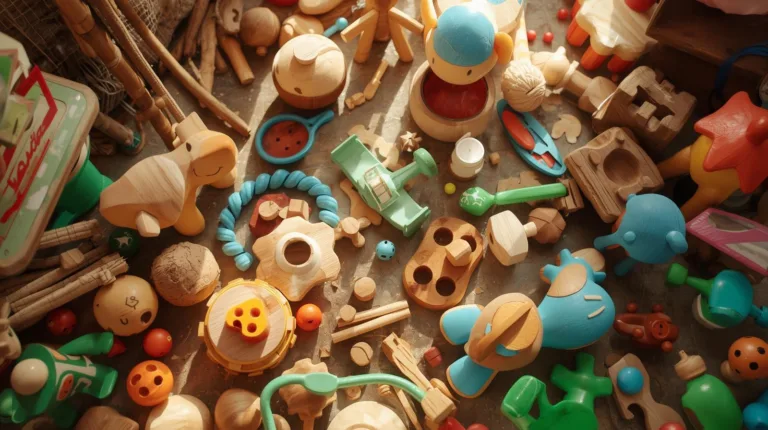

In a world increasingly aware of environmental challenges, the choices we make as consumers carry more weight than ever. From the food we eat to the materials we use, sustainability has become a central part of daily life. One area where eco-conscious innovation shines is in the toy industry — specifically through bamboo-based toys. More than just an alternative to plastic, bamboo toys offer a range of ecological, educational, and aesthetic benefits that make them a powerful tool for both play and planetary preservation.
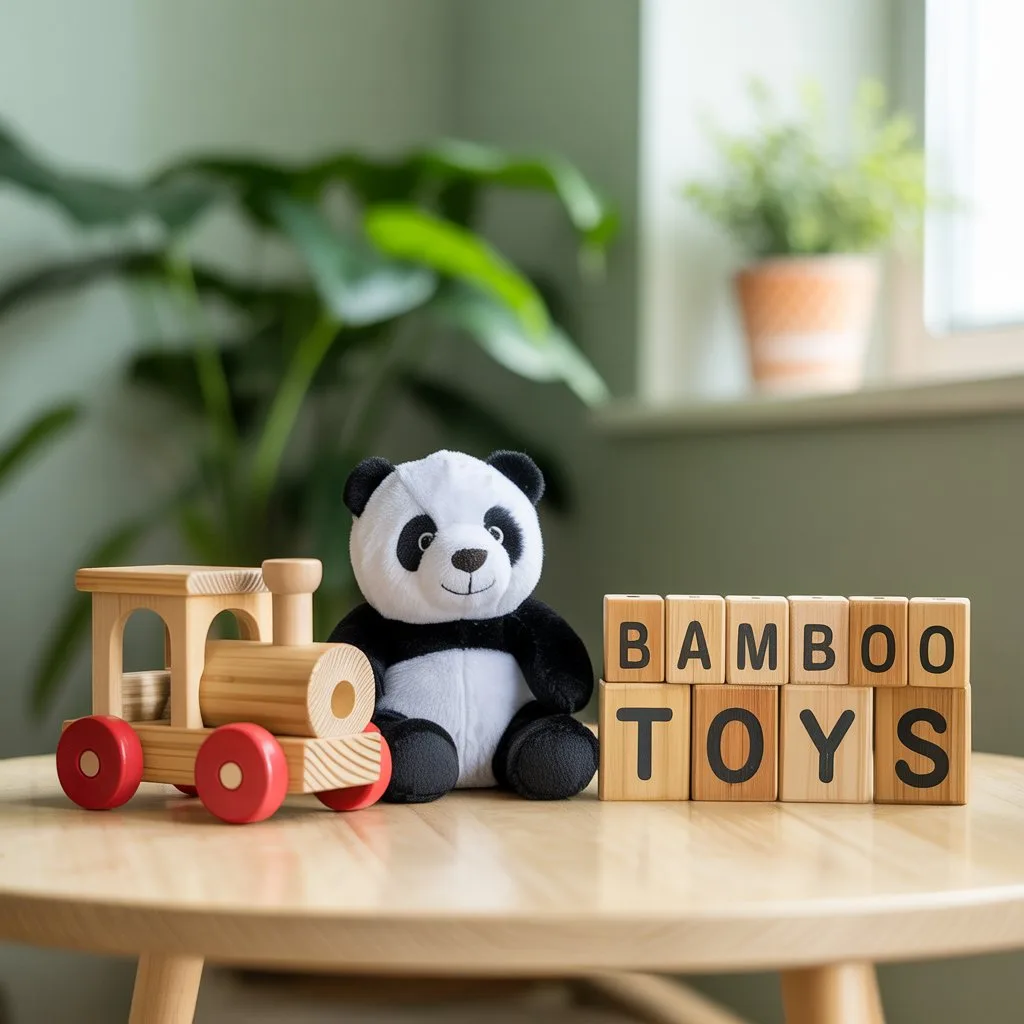
As parents, educators, and conscious consumers search for products that align with greener lifestyles, bamboo toys represent a refreshing shift toward sustainability without sacrificing creativity or fun. Exploring the environmental benefits of bamboo-based toys reveals how something as simple as a child’s plaything can make a significant difference for the planet.
Why Bamboo Is Nature’s Sustainable Wonder
Bamboo is often called “green gold,” and for good reason. Unlike hardwood trees that can take decades to mature, bamboo grows at an astonishing rate — some species reaching up to 90 centimeters per day. This rapid growth means that bamboo can be harvested regularly without causing long-term damage to ecosystems.
Because bamboo regenerates naturally from its roots, it doesn’t require replanting after harvesting. This self-renewing ability reduces soil erosion, enhances soil health, and allows forests to recover faster. Additionally, bamboo plantations absorb far more carbon dioxide and release more oxygen than an equivalent area of trees, making it one of the most effective natural tools in combating climate change.
When used to produce toys, this remarkable plant provides a renewable and biodegradable material that minimizes environmental impact throughout its entire life cycle — from cultivation to disposal.
The Hidden Toll of Plastic Toys
The average household is filled with plastic toys — colorful, affordable, and short-lived. While convenient, these toys come at a heavy environmental cost. Plastic is derived from petroleum, a non-renewable resource, and the production process emits large amounts of carbon dioxide. Many plastic toys contain synthetic chemicals and additives that can be harmful to both the environment and children’s health.
Worse still, the majority of plastic toys are not recyclable. When they break or are discarded, they often end up in landfills or oceans, where they can take hundreds of years to decompose. This creates microplastics that pollute ecosystems, harm marine life, and even enter the food chain. In contrast, bamboo-based toys offer an eco-friendly alternative that helps reduce dependence on harmful plastics while fostering more sustainable consumption habits.
How Bamboo Toys Reduce Carbon Footprint
One of the most significant environmental benefits of bamboo-based toys is their ability to lower carbon emissions across their entire lifecycle. From raw material sourcing to end-of-life disposal, bamboo products maintain a far smaller carbon footprint compared to plastic counterparts.
- During cultivation: Bamboo grows naturally without the need for fertilizers or pesticides, both of which contribute to greenhouse gas emissions. Its deep root system also helps store carbon in the soil.
- In manufacturing: Bamboo requires minimal processing compared to synthetic materials. It can be cut, sanded, and shaped using low-energy techniques, often by local artisans.
- At the end of life: Unlike plastic, which lingers for centuries, bamboo decomposes naturally. When disposed of, bamboo toys return to the earth without releasing toxic residues.
In essence, every bamboo toy purchased represents a small yet powerful action in reducing the global carbon footprint.
Durability and Longevity: Sustainability Through Strength
Eco-friendliness isn’t just about what materials are used — it’s also about how long they last. Bamboo is naturally strong, flexible, and resistant to wear, making it an ideal material for children’s toys that endure rough handling and long play sessions. Some bamboo species have tensile strengths comparable to steel, meaning bamboo toys can easily outlast their plastic or wooden competitors.
By choosing durable toys, families reduce waste by avoiding constant replacements. This longevity translates into fewer discarded items, lower production demands, and a smaller environmental impact overall. Sustainability, in this case, comes not only from the material itself but also from the product’s extended lifespan.
Safe and Non-Toxic Playtime
Parents increasingly value safety alongside sustainability. Unlike many plastics, bamboo contains no harmful chemicals such as BPA, PVC, or phthalates — substances linked to health risks in children. Bamboo-based toys are typically finished with natural oils, beeswax, or water-based paints, ensuring that little ones can play safely without exposure to toxins.
This natural purity also benefits manufacturers and artisans, who avoid contact with dangerous chemicals during production. The result is a cleaner, safer manufacturing process that supports both human and environmental health.
Supporting Local and Ethical Production
The global bamboo toy market often emphasizes local craftsmanship and fair-trade practices. Many producers are small-scale artisans who rely on sustainable harvesting and traditional woodworking skills. By purchasing bamboo-based toys, consumers help sustain rural communities, preserve cultural craftsmanship, and promote ethical labor standards.
Unlike mass-produced plastic toys that are often made under exploitative conditions, bamboo toys encourage a circular economy — one that values people, the planet, and profit equally. This ethical dimension adds another layer of environmental responsibility, ensuring that sustainability benefits everyone involved.
Educational Value: Teaching Sustainability Through Play
Beyond their material benefits, bamboo-based toys play an important educational role. Children learn through observation and imitation, and the toys they interact with shape their understanding of the world. When kids grow up playing with eco-friendly toys, they internalize values of care, respect, and responsibility for nature.
Many bamboo toys are designed with creativity and learning in mind — puzzles, building blocks, musical instruments, and vehicles that spark curiosity about natural materials and traditional craftsmanship. These toys introduce children to the beauty of sustainability from an early age, fostering a generation that values the environment instinctively.
The Lifecycle of a Bamboo Toy: From Growth to Decomposition
To truly appreciate the environmental advantages, it’s worth following the lifecycle of a bamboo toy from start to finish.
- Growth: Bamboo matures in three to five years, far faster than most hardwood trees. It grows densely, using minimal land space.
- Harvest: Harvesting doesn’t kill the plant; the stalks regrow naturally, maintaining the forest’s integrity.
- Manufacture: The material is dried, shaped, and polished without heavy chemicals or energy-intensive processes.
- Use: Because of its durability, the toy can be handed down through siblings or generations.
- End of life: When eventually discarded, the bamboo decomposes naturally, enriching the soil rather than polluting it.
Each phase of this lifecycle highlights why bamboo stands out as one of the most sustainable materials available today.
Aesthetic and Emotional Connection to Nature
There’s something inherently calming about the texture and look of bamboo. Its smooth surface, natural tones, and organic patterns evoke a sense of closeness to nature that brightly colored plastics simply can’t replicate. This aesthetic quality contributes to children’s sensory development and emotional well-being.
Many families find that bamboo toys not only reduce clutter and waste but also enhance the home’s atmosphere. Their simplicity encourages imagination and mindfulness, contrasting sharply with the overstimulation of battery-powered plastic toys. In this way, bamboo reconnects play with nature, creativity, and calmness — a refreshing change in an increasingly digital age.
Reducing Waste and Promoting Circular Economy
The toy industry generates massive waste each year, especially as trends shift rapidly and disposable products dominate. Bamboo toys, however, fit perfectly into a circular economy model, where materials are reused, repurposed, and recycled in sustainable ways.
Old bamboo toys can be repaired, composted, or even turned into new crafts and decorations. Some creative families repurpose broken toys into planters, home decor, or art projects, extending their usefulness far beyond their original purpose. This cycle of reuse keeps waste out of landfills and reinforces sustainable thinking within households.
Environmental Benefits Beyond the Material
The positive environmental impact of bamboo-based toys extends beyond their physical composition. Growing bamboo supports biodiversity, prevents deforestation, and restores degraded lands. Because it can thrive on marginal soil and steep terrain, bamboo reduces erosion and provides shelter for wildlife.
In regions where deforestation is a critical issue, cultivating bamboo offers a viable alternative that balances economic growth with ecological protection. By creating demand for bamboo-based products like toys, consumers indirectly contribute to the preservation of forests and the reduction of logging pressure on endangered tree species.
Challenges and the Path Forward
While bamboo toys are environmentally superior in many ways, they also face challenges. Transport emissions from international trade can offset some benefits if not managed responsibly. Additionally, as demand grows, ensuring that bamboo is harvested sustainably becomes essential to prevent overexploitation.
To maintain the integrity of this eco-friendly movement, certification systems such as FSC (Forest Stewardship Council) and fair-trade labels play a vital role. They guarantee that the bamboo used comes from responsibly managed sources and that workers are treated fairly. As awareness increases, more brands are embracing these standards, driving the bamboo toy industry toward a transparent and sustainable future.
Inspiring Change Through Conscious Choices
Every purchase carries a message. By choosing bamboo-based toys, families send a clear signal to manufacturers that sustainability matters. These small decisions, multiplied by millions of consumers, have the power to transform industries and protect ecosystems.
Switching to bamboo toys isn’t just about buying differently — it’s about participating in a broader cultural shift toward responsible consumption. It demonstrates that joy, learning, and environmental awareness can coexist beautifully in the same object. Through simple play, we teach the next generation that a better world is not only possible but already within reach.
By embracing the environmental benefits of bamboo-based toys, we nurture both creativity and conservation. These natural playthings invite children to explore, imagine, and grow in harmony with the planet — a perfect reminder that the path to sustainability begins in the small moments of everyday life. Choosing bamboo means choosing balance, care, and a future where playtime supports the earth that sustains us all.

Elena Mora is a creative educator and eco-craft enthusiast who specializes in bamboo musical instruments and sustainable toys for children. She believes that hands-on learning through play teaches kids about creativity, music, and environmental responsibility.