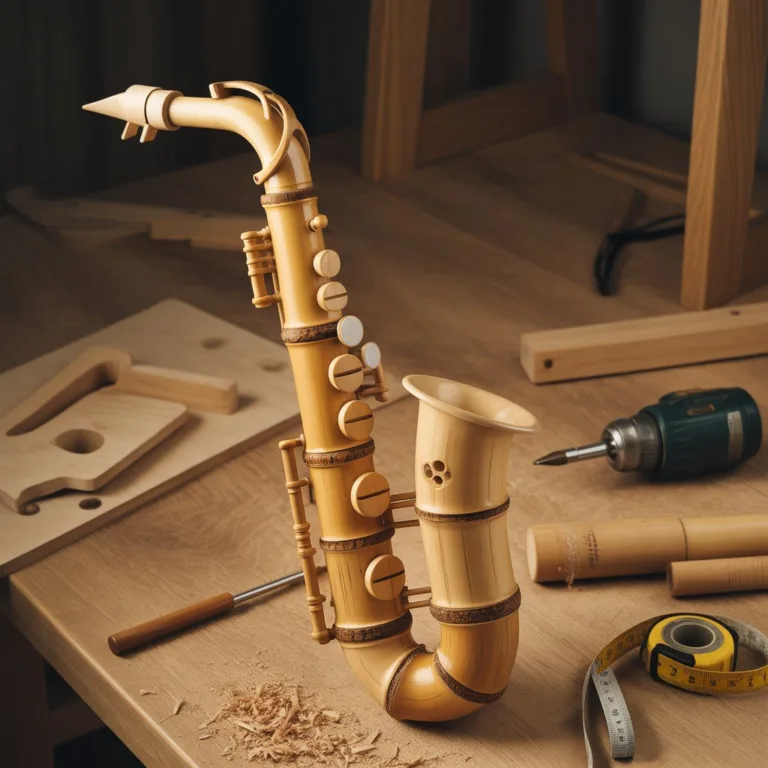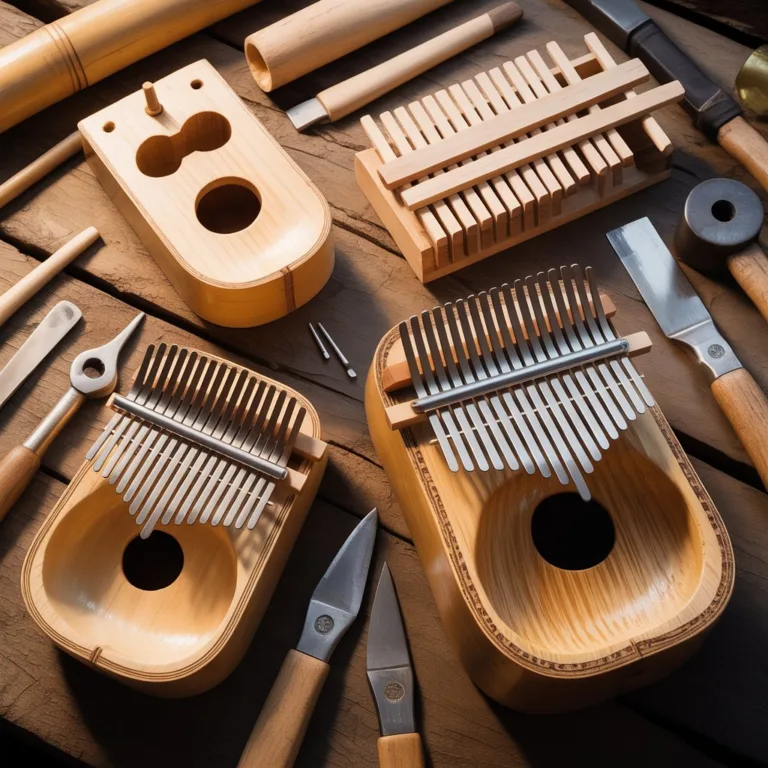

Music and sustainability come together beautifully when creativity meets nature. Building a DIY bamboo xylophone for kids is more than just a fun weekend craft — it’s a hands-on lesson in sound, science, and sustainability. This eco-friendly instrument not only encourages artistic expression but also introduces children to the wonders of acoustics, recycling, and craftsmanship.
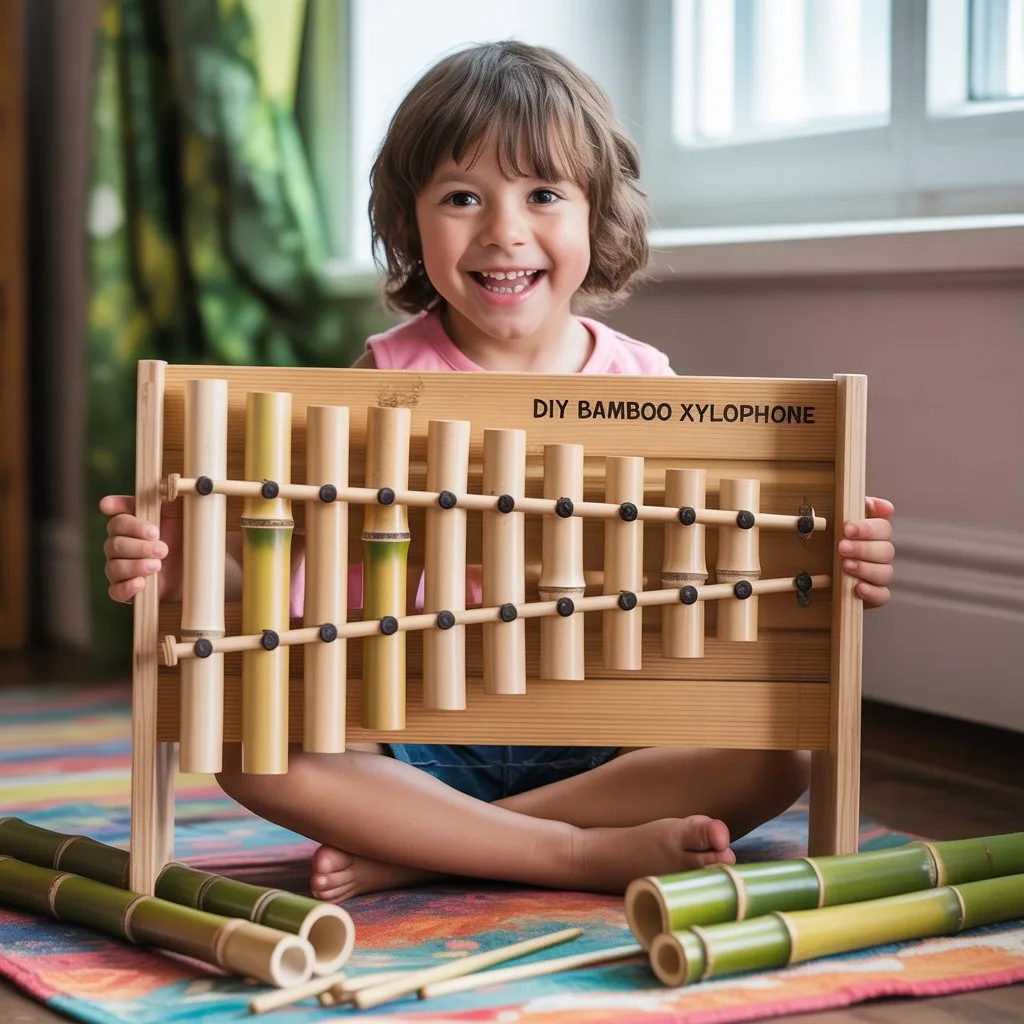
Unlike plastic toys that break easily or end up in landfills, a bamboo xylophone offers a sustainable, lasting, and meaningful alternative. Whether you’re a parent looking for a creative educational project, a teacher planning a STEM lesson, or a crafter passionate about eco-friendly materials, this guide will help you build a musical instrument that truly plays and teaches.
The Joy of Building Musical Instruments from Nature
There’s something magical about creating sound from natural materials. When a child hears the gentle tone of bamboo tubes resonating together, they’re not just making music — they’re discovering how physics, nature, and creativity harmonize.
The DIY bamboo xylophone is the perfect introduction to this harmony. It’s simple enough for kids to build with adult supervision yet rich in learning opportunities. Through this project, children can explore key STEM concepts like vibration, resonance, and pitch, all while developing fine motor skills and artistic confidence.
Building instruments from nature also helps children reconnect with the environment. They learn that the best toys and tools don’t always come from stores — sometimes, they grow right in our backyards.
Why Bamboo Is Perfect for a Xylophone
Bamboo is an ideal choice for building a xylophone because of its unique acoustic properties and environmental benefits. Its hollow structure allows sound waves to travel smoothly, producing clear, resonant tones when struck.
Natural Resonance and Sound Quality
The dense yet lightweight structure of bamboo enables it to produce vibrant sounds with minimal effort. Different lengths and diameters of bamboo create distinct pitches — shorter tubes yield higher notes, while longer ones give deeper tones. This natural variation makes bamboo perfect for musical experimentation.
Eco-Friendly and Safe
Bamboo grows rapidly without the need for pesticides or fertilizers, making it one of the world’s most sustainable resources. It’s non-toxic, biodegradable, and safe for children to handle once properly prepared.
By crafting a bamboo xylophone, families teach children about environmental responsibility and creative reuse — essential lessons for a generation growing up in a world that values sustainability.
Materials and Tools You’ll Need
Creating a bamboo xylophone doesn’t require expensive materials or advanced tools. Most of what you’ll need can be found at home, in nature, or at a local hardware store.
Essential Materials
- Bamboo poles or stalks – 6 to 10 pieces of varying lengths (diameter between 2–4 cm)
- Twine, jute rope, or strong cotton cord – for binding the bamboo pieces together
- Two small wooden sticks or dowels – to serve as mallets
- A sturdy wooden base or recycled board – to mount the xylophone
- Soft cloth or rubber strips – to cushion the bamboo on the base for better sound quality
Optional Enhancements
- Sandpaper – for smoothing rough edges
- Plant-based varnish or linseed oil – to protect the bamboo surface
- Natural dyes or paints – for decoration
- Markers or stickers – to label musical notes for learning
Tools
- Fine saw or handsaw – for cutting bamboo
- Measuring tape – to measure precise lengths
- Drill or small awl – to create holes for stringing
- Gloves and eye protection – for safety while cutting
Preparing the Bamboo for Crafting
Before starting the build, preparation is key to ensuring your bamboo xylophone produces clear, resonant tones and remains durable.
Selecting the Right Bamboo
Choose bamboo that is dry, mature, and free from cracks. Fresh or green bamboo may warp as it dries, affecting the sound quality. If you’re collecting bamboo yourself, look for stalks with smooth surfaces and uniform thickness.
Once harvested, allow the bamboo to air dry in a shaded area for several days. Avoid direct sunlight, as it can cause splitting.
Cutting the Bamboo
Each piece of bamboo will represent a different musical note. Use your measuring tape to cut between six and ten segments of varying lengths — for example:
- 20 cm for higher tones
- 25 cm for mid-range tones
- 30 cm or more for lower tones
Be sure to cut between the nodes, leaving each piece hollow at both ends. This allows the air to vibrate freely and produces a better tone.
Smooth the edges with sandpaper to make them safe for handling.
Tuning and Arranging the Notes
Tuning is where science meets art in your bamboo xylophone. Each piece of bamboo produces a different note depending on its length, thickness, and wall density.
Understanding Pitch
Shorter bamboo tubes create higher-pitched sounds because sound waves travel through them more quickly. Longer tubes produce lower, deeper notes due to slower sound wave movement.
Experiment by tapping each bamboo piece gently with a mallet. Adjust the length by trimming small amounts until you achieve distinct tones that sound harmonious together.
If you’d like to make your xylophone musically accurate, you can use a free tuning app or piano to match the notes to a simple musical scale (like C–D–E–F–G–A–B–C). However, perfection isn’t the goal here — what matters most is exploration and discovery.
Arranging the Pieces
Lay out the bamboo tubes from shortest to longest, left to right. This not only looks visually appealing but also mirrors how traditional xylophones and marimbas are arranged, helping children understand musical progression.
Use small cushions or rubber strips under each bamboo piece to reduce vibration against the base and enhance the clarity of each note.
Assembling the Bamboo Xylophone
Once your bamboo tubes are tuned and arranged, it’s time to assemble the instrument.
Position the bamboo pieces across your wooden base, ensuring they’re evenly spaced. Drill small holes on both sides of each bamboo tube and thread twine or rope through them. Secure them firmly to the base without restricting vibration.
Alternatively, you can rest the bamboo on soft supports (like rolled fabric) and tie them together horizontally with rope. This method allows the xylophone to remain portable, so kids can play it on a table or outdoors.
Make sure the structure feels stable and that the bamboo doesn’t move excessively when struck.
Making the Mallets
The mallets are simple to make and can be customized for different sounds.
Use small wooden dowels or sticks about 20 cm long. Wrap one end with rubber bands or cloth to create a soft striking surface. This prevents damage to the bamboo and produces a warmer tone.
Children can decorate the handles with colored string or non-toxic paint to personalize their instruments.
Adding Educational and Creative Elements
The DIY bamboo xylophone for kids isn’t just a craft — it’s an educational experience. Parents and teachers can integrate learning moments throughout the process.
Teaching Sound and Vibration
When the mallet strikes a bamboo tube, it vibrates, creating sound waves that travel through the air. You can demonstrate how length affects pitch by comparing short and long pieces. Encourage kids to describe what they hear — is it high, low, loud, or soft?
This hands-on discovery helps them understand physics concepts like frequency, vibration, and resonance in a fun, tactile way.
Exploring Math and Measurement
Measuring bamboo pieces and organizing them by size introduces basic math concepts like length, proportion, and sequence. Kids can predict which pieces will sound higher or lower, testing their hypotheses through play.
Encouraging Creativity and Music
Once the xylophone is built, children can compose their own melodies or accompany songs they already know. Marking each bamboo piece with note names or color codes helps beginners remember sound patterns and develop musical awareness.
Crafting their own instruments gives children a sense of ownership and pride, encouraging them to explore more DIY and eco-friendly projects.
Decorating the Xylophone
Visual creativity is as important as auditory exploration. Let kids decorate their bamboo xylophone with natural paints, colored string, or pressed leaves. Avoid synthetic or heavy coatings that might muffle the sound.
Encourage designs inspired by nature — bamboo shoots, birds, or waves — to reinforce the connection between the instrument and its natural origins.
Adding personal touches turns the instrument into a keepsake, reminding children that beauty and sustainability can coexist.
Safety and Maintenance Tips
Bamboo is durable, but with a few simple practices, your xylophone will last much longer and stay safe for play.
- Always smooth edges after cutting to avoid splinters.
- Store the xylophone in a cool, dry place to prevent cracking.
- Wipe it occasionally with a soft cloth and apply a thin layer of natural oil to preserve the bamboo.
- Avoid soaking or leaving it outdoors for extended periods, as moisture can damage the material.
These maintenance habits not only protect the instrument but also teach kids the importance of caring for handmade creations.
Expanding the Learning Experience
Once kids master their bamboo xylophone, they can experiment with new sounds and more advanced designs.
Building a Multi-Octave Xylophone
For older children or classroom projects, you can expand the instrument by adding more bamboo pieces tuned to a full octave or even multiple octaves. This creates richer musical possibilities and teaches advanced sound relationships.
Combining Other Natural Materials
Pair the xylophone with maracas made from gourds, drums from recycled cans, or shakers filled with seeds. Together, these instruments form an eco-orchestra — a playful way to explore world music and cultural diversity.
Linking to STEM Projects
Teachers can use the bamboo xylophone to connect with science lessons on sound waves, math lessons on measurement, or art lessons on design. This interdisciplinary approach helps students see how creativity and science intertwine in real-world problem-solving.
The Deeper Message Behind the Music
Beyond fun and learning, this project carries a powerful message about sustainability. In a world increasingly dominated by disposable plastic, crafting instruments from natural, renewable materials teaches children that innovation doesn’t have to come at the planet’s expense.
Bamboo becomes more than just a crafting material — it’s a symbol of harmony between creativity and environmental care. When children play their bamboo xylophones, they’re participating in a tradition of eco-conscious craftsmanship that celebrates simplicity, resourcefulness, and respect for nature.
Inspiring Ongoing Creativity
Building a DIY bamboo xylophone for kids opens doors to endless exploration. It encourages families and classrooms to slow down, create intentionally, and appreciate the beauty of natural materials.
Each note played echoes a lesson in curiosity and sustainability. Each strike of the mallet reminds us that learning can be joyful, hands-on, and deeply meaningful.
If you enjoyed this project, keep exploring other eco-friendly crafts — bamboo wind chimes, recycled bottle-cap cars, or nature-inspired art tools. Every creation strengthens the connection between imagination and the planet that sustains it.
Gather your tools, find a few pieces of bamboo, and let music grow naturally — one note, one spark of creativity at a time.

Elena Mora is a creative educator and eco-craft enthusiast who specializes in bamboo musical instruments and sustainable toys for children. She believes that hands-on learning through play teaches kids about creativity, music, and environmental responsibility.