
Turning everyday materials into imaginative toys is one of the most rewarding and eco-friendly activities you can do at home or in the classroom. Building toy robots from bamboo and cardboard is a fantastic project that combines creativity, problem-solving, and sustainability. These handcrafted robots not only inspire children to explore engineering and design but also teach the importance of reusing natural and recyclable materials.
Why Make Toy Robots from Bamboo and Cardboard
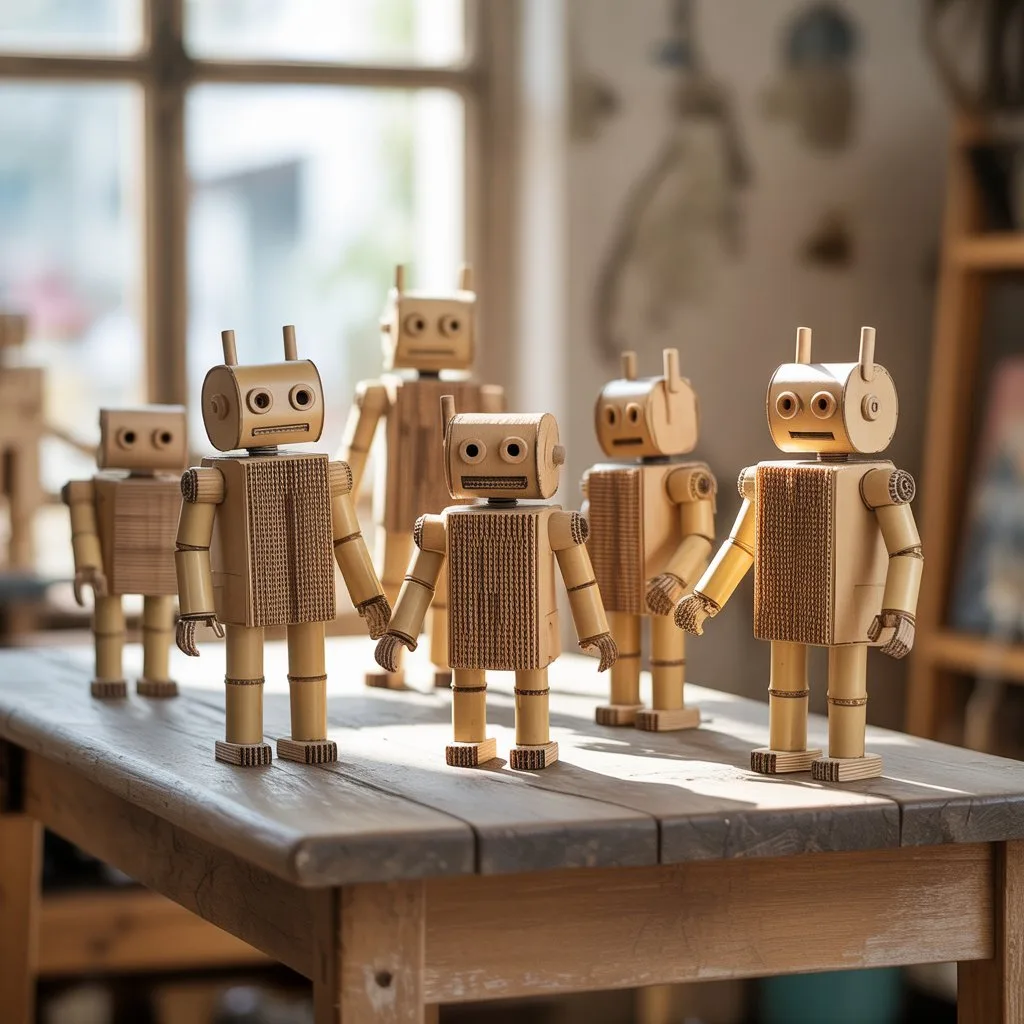
Bamboo and cardboard are both lightweight, versatile, and environmentally friendly. Bamboo offers strength and flexibility, making it perfect for structural parts like arms and legs. Cardboard, on the other hand, is easy to cut and shape into body panels, heads, and accessories. Using these materials together introduces kids to eco-conscious creativity — proving that fun and sustainability can coexist beautifully.
Unlike plastic toys that often end up in landfills, bamboo and cardboard robots can be easily recycled or repurposed. They also offer a hands-on way to learn about basic mechanics, balance, and design while nurturing fine motor skills and teamwork.
Gathering and Preparing the Materials
To get started, collect materials you may already have around the house:
- Cardboard sheets or boxes for the robot’s body and decorative panels.
- Bamboo sticks or thin poles for arms, legs, or internal supports.
- Glue, tape, or string to assemble the parts securely.
- Eco-friendly paints or markers for coloring and adding details.
- Bottle caps, buttons, or paper rolls for eyes, joints, and gears.
Cut the cardboard into basic shapes such as rectangles and squares for the torso and limbs. Sand or smooth the bamboo if needed, and check that all edges are safe for handling, especially when working with children.
Designing the Robot’s Structure
The beauty of this project lies in its creative freedom. There’s no single way to design your bamboo and cardboard robot — every creation can be unique. Start with a simple body design:
- Use a cardboard box as the torso.
- Attach bamboo rods for arms and legs, using small holes or string loops for flexibility.
- Create a head using a smaller box or a paper cup.
- Decorate it with bottle caps or buttons to form eyes and dials.
Encourage experimentation with shapes and proportions. Some robots can have long limbs for a futuristic look, while others might be compact and square like retro machines. This design phase is perfect for encouraging problem-solving and spatial awareness.
Adding Movement and Functionality
One exciting part of making toy robots from bamboo and cardboard is adding movement. While the materials are simple, you can make your robots interactive in creative ways:
- Use paper fasteners or brass brads at the joints so the arms and legs can move.
- Create a spinning gear by attaching bottle caps with a small stick through the center.
- Use rubber bands or string to make simple mechanisms, like springy arms or a movable head.
These small touches transform the project from a static sculpture into a toy with personality and play value.
Decorating and Personalizing
Once the structure is assembled, decorating the robot brings it to life. Encourage kids to think about their robot’s “character” — is it a helper, a musician, a space explorer, or a recycling superhero? Use paints, paper cutouts, or scraps of fabric to express these ideas.
Some fun decoration ideas include:
- Adding a solar panel design made from aluminum foil.
- Drawing control panels or buttons with colorful markers.
- Creating a recycled cape from old cloth for a superhero robot.
Each decoration choice helps reinforce creativity and individuality while also celebrating sustainable thinking.
Educational and Environmental Benefits
This project isn’t just about art and play — it’s a valuable educational experience. Building toy robots from bamboo and cardboard introduces several key learning themes:
- STEM concepts: Understanding how different parts connect and move.
- Environmental awareness: Highlighting the benefits of using renewable and recyclable materials.
- Artistic expression: Encouraging kids to design with purpose and imagination.
Teachers can use this activity in classrooms to teach lessons about renewable resources, recycling, and teamwork. Parents can turn it into a weekend project that doubles as a fun and educational bonding activity.
Encouraging Continuous Creativity
Once children build their first bamboo and cardboard robot, they often want to create more — and that’s the best part. You can expand the activity by designing entire robot families, building robot pets, or creating a small “robot city” from boxes and natural materials.
Each new project deepens the understanding of sustainability while reinforcing the idea that creativity doesn’t depend on expensive supplies — only imagination and curiosity. Building toy robots from bamboo and cardboard is a simple yet powerful way to inspire young minds to invent, explore, and care for the planet at the same time.

Elena Mora is a creative educator and eco-craft enthusiast who specializes in bamboo musical instruments and sustainable toys for children. She believes that hands-on learning through play teaches kids about creativity, music, and environmental responsibility.